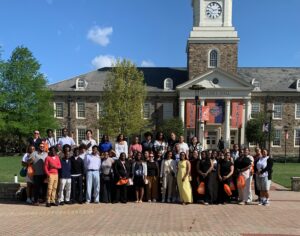


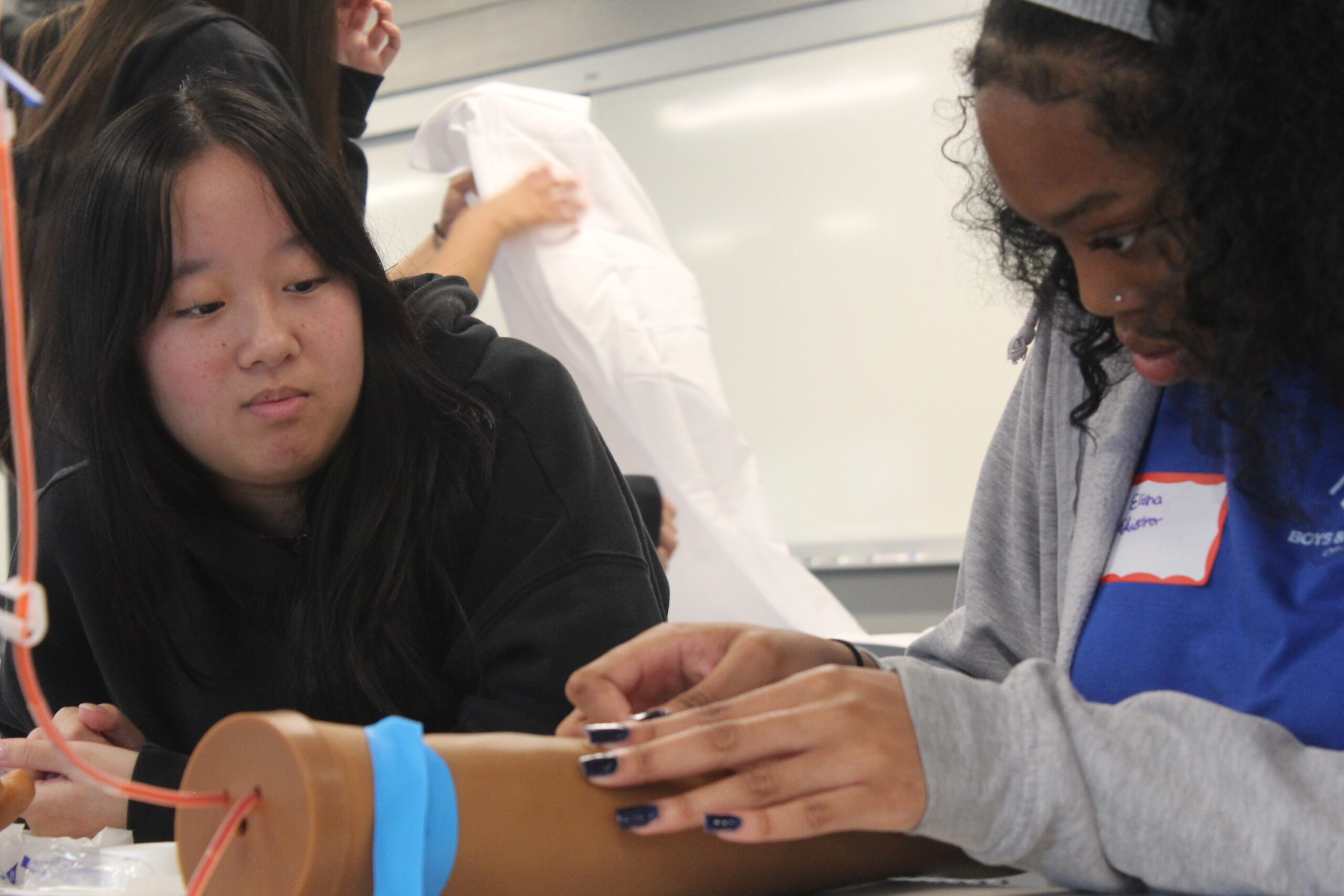
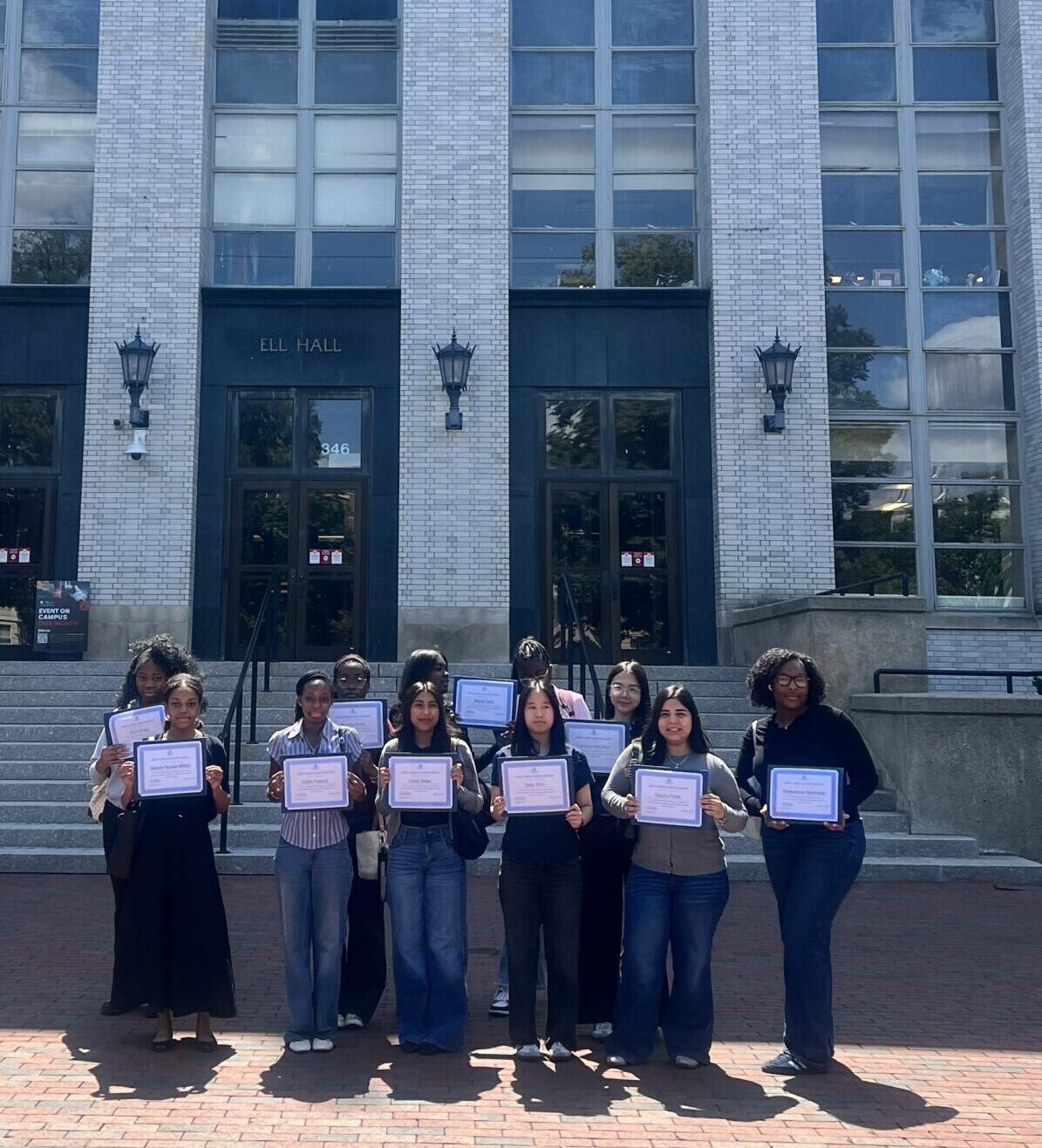
Twelve young people from Boys & Girls Clubs of Boston recently stepped into medical simulation labs at Northeastern University, where they practiced IV placement, worked through a mock patient diagnosis, and began exploring what a future in healthcare could look like.
The seven-week Healthcare Scholars Program at Northeastern is part of BGCB’s growing Healthcare Pathways work, designed to give young people early exposure to healthcare careers while helping them build the skills, relationships, and experience they will need to pursue them.
The all-girls cohort included members from the Yawkey Club of Roxbury, the Josh Kraft Mattapan Teen Center, and the Edgerley Family South Boston Club. Some had been BGCB members for years. Nearly half joined specifically for the program.
Building professional and clinical skills
BGCB Healthcare Pathways Director Amber Reese designed the program around a simple idea. Participants should leave with skills they could use right away, not just information about healthcare careers.
Midway through the summer, she noticed a gap and adjusted the curriculum. One session focused on professional communication, covering how emailing a supervisor or colleague differs from texting a friend, how to speak up as part of a team, and how healthcare professionals communicate under pressure.
The next day, the group put it into practice inside a Harvard MedScience simulation lab. Working together, they assessed a simulated patient and worked through a possible diagnosis, listening to one another, sharing observations, and communicating clearly as a team.
“When we put young people in the right spaces and the right positions, there is so much they can observe and absorb,” Reese said. “They are becoming better prepared, not only as young people, but as future healthcare professionals.”
Learning directly from healthcare professionals
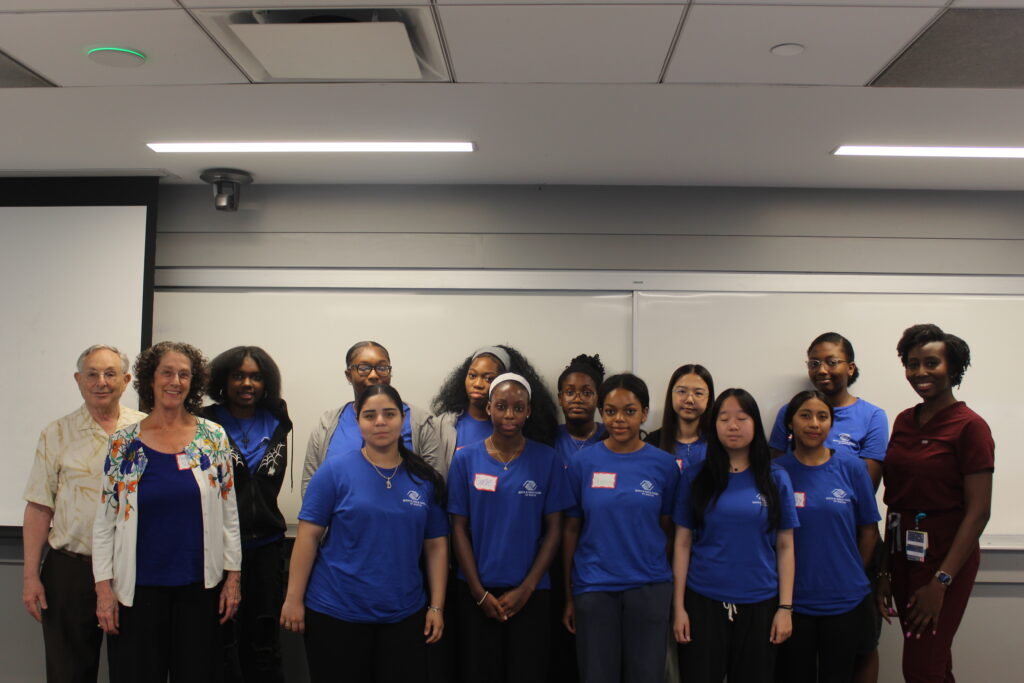
Participants heard directly from people working and studying across the healthcare field, including emergency medical professionals connected to Boston Medical Center and Northeastern nursing students who talked about their own paths into the profession.
Members also took part in overdose rescue training led by the Boston Public Health Commission. One of the summer’s hands-on experiences came from Dr. Tanesha Beckford, an emergency medical doctor at Brigham and Women’s Hospital. She spent several hours with the group, first sharing her own path into medicine and then leading an IV simulation. The experience gave participants a chance to practice a clinical skill themselves instead of only hearing about it.
“The girls absolutely loved working with her,” Reese said.
Preparing for healthcare careers throughout the week
Participants met in person on Mondays and Tuesdays at Northeastern. On Wednesdays, they joined professional development sessions with Blue Cross Blue Shield of Massachusetts. Thursdays and Fridays were remote days, when members joined virtual office hours and researched a healthcare profession that interested them, digging into the education, training, and experience the field requires.
The flexible schedule also let members stay involved in other BGCB programs, including Keystone, BGCB’s leadership club for teens, without having to choose between them.
Expanding pathways into healthcare careers
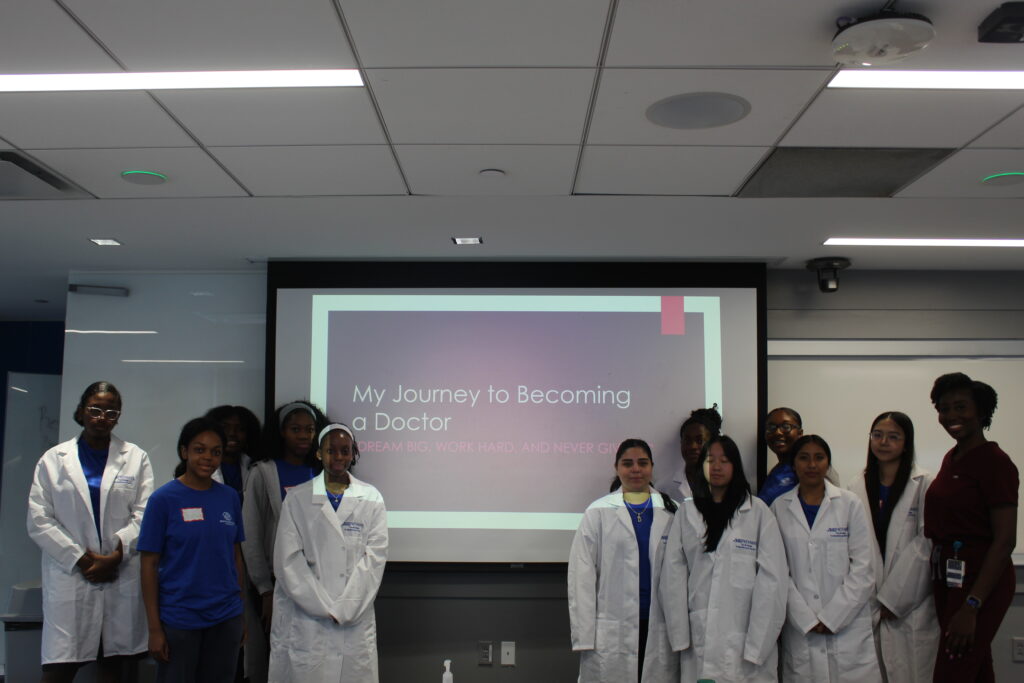
The Northeastern program is one part of a broader effort to connect BGCB members with healthcare-related pre-college programs and internships, including placements at Boston Medical Center. BMC has been an especially valuable partner because of its flexibility, which has helped BGCB connect more young people with healthcare opportunities, including some who wouldn’t otherwise qualify for programs with strict Boston residency or school requirements.
BGCB is also working to expand access to Harvard MedScience, where members get intensive experience through medical simulations and team-based learning.
Together, these opportunities are beginning to create a more connected pathway into healthcare. A young person might start by exploring healthcare careers, then build professional and technical skills, move into a pre-college program or internship, and continue toward college or employment with BGCB support along the way.
Building toward a future in healthcare
At the end of the program, each participant presented research on a healthcare profession she chose, work that reflected seven weeks of learning and answered the question that brought many of them to Northeastern in the first place: what would it take to build a future in healthcare?
They leave with hands-on experience in a medical simulation setting, a clearer sense of the field, and a stronger network of peers and adults supporting them. For nearly half the group, it’s also their first time as BGCB members, a sign of how much interest a hands-on program like this one can generate.
“This is not meant to be a one-and-done summer experience,” Reese said. “We want them to keep coming back, stay connected, and continue building on what they have started.”
Related: Meet BGCB member Izzy M. and see how his healthcare internship helped shape his path toward medicine.